
Understanding GLP-1: The Key to Your Health Journey

Updated: May 6
What Is GLP-1 and Why Should You Care?
GLP-1 (glucagon-like peptide-1) is a hormone released in your gut after eating. It helps:
Regulate blood sugar
Slow down digestion
Reduce appetite
Promote feelings of fullness
In other words, GLP-1 helps your body know when it’s had enough—and keeps your blood sugar steady in the process. While medications can mimic this hormone, your food choices can help you increase supporting natural GLP-1 production with food as medicine strategies.
Supporting Natural GLP-1 Production to Nourish Your Body
Here’s how you can support GLP-1 production through everyday food choices. It starts by reducing the pre-packaged, highly processed foods that you find lining the store shelves in favor of naturally grown and raised whole foods.
1. Fiber-Rich Foods and Prebiotics
Fiber feeds the good bacteria in your gut, which in turn helps release GLP-1 and other fullness-promoting hormones.
Try adding:
Oats, barley, quinoa, brown rice
Beans, lentils, chickpeas
Berries, apples, bananas, citrus
Leafy greens, carrots, squash
Garlic, onions, leeks, asparagus (rich in inulin)
Chia seeds, flaxseeds, almonds
2. Lean Proteins
Protein helps you feel full longer and directly stimulates GLP-1 release.
Include:
Greek yogurt, cottage cheese, eggs
Fish and seafood
Skinless poultry
Tofu, tempeh, edamame
3. Healthy Fats
Unsaturated fats from plants and fish can enhance GLP-1 secretion and support heart health.
Focus on:
Olive oil, avocado oil
Avocados
Fatty fish like salmon and sardines
Walnuts, flaxseeds, hemp hearts, and chia seeds
Black olives
4. Polyphenol-Rich Foods
These colorful plant compounds may help increase GLP-1 and slow its breakdown. Your body type may do best combining these with a lean protein as well.
Add color with:
Blueberries, strawberries, grapes
Apples, cherries
Green tea, black tea
Dark chocolate (in moderation) with 70% cocoa or more
Spices like cinnamon, turmeric, and ginger
A Day of GLP-1-Supportive Eating
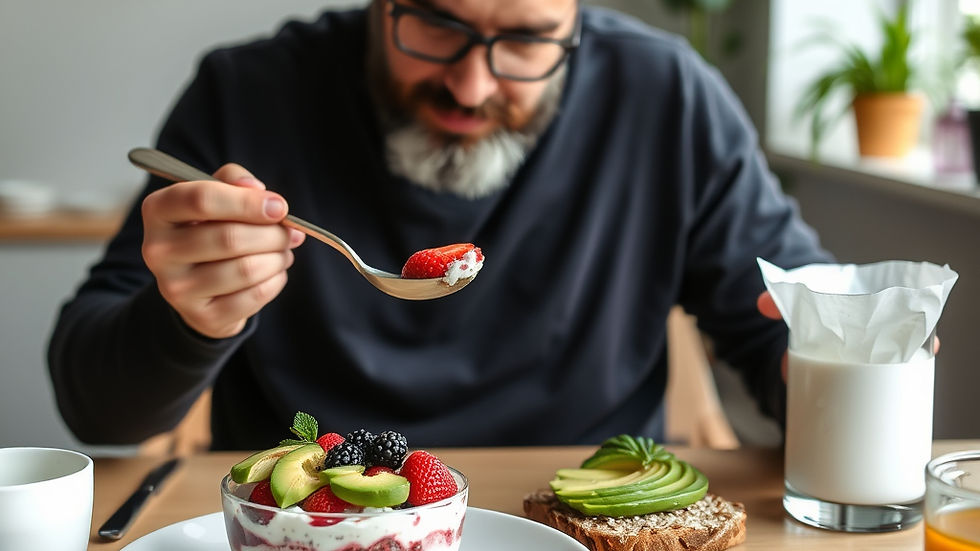
Breakfast: Greek yogurt with berries and chia seeds, whole-grain toast with avocado
Lunch: Lentil and vegetable soup, apple, multi-seed baked rice crackers
Snack: Handful of almonds, green tea
Dinner: Grilled salmon, quinoa, roasted broccoli and carrots, side salad with olive oil dressing
Why This Matters
When you support your body’s natural GLP-1 production, you’re not just managing hunger—you’re building a foundation for long-term health. You’re also giving your body the tools it needs to work with, not against, any medications you may be taking.
This is the heart of functional nutrition: using food as medicine to support your body’s natural processes and empower your wellness journey.
Let’s Personalize Your Path
Everyone’s body is different. What works for one person may not work for another—and that’s okay. If you’re navigating GLP-1 medications, struggling with appetite, or simply want to feel more in control of your eating habits, you don’t have to figure it out alone. Start by understanding your body type and how best to nourish your individual needs.
Ready to Take the Next Step?
A registered dietitian nutritionist can help you create a personalized plan that supports your body, your goals, and your lifestyle. Whether you're on GLP-1 therapy or looking to support your health naturally, guidance makes all the difference.
The Role of Mindful Eating in Health Management
Mindful eating is an essential aspect of health management. It encourages you to pay attention to your hunger cues and the sensations of eating. This practice can enhance your relationship with food and support your overall wellness journey.
Incorporating Mindfulness into Your Meals
To practice mindful eating, try these strategies:
Eat without distractions. Put away your phone and turn off the TV.
Chew slowly and savor each bite.
Notice the flavors and textures of your food.
Listen to your body. Stop eating when you feel satisfied, not stuffed.
The Benefits of a Non-Diet Approach
Adopting a non-diet approach can lead to a healthier mindset around food. Instead of focusing on restrictions, you can emphasize nourishing your body. This shift can reduce stress and anxiety related to eating, making it easier to maintain a balanced lifestyle.
Building a Supportive Environment
Creating a supportive environment is crucial for your wellness journey. Surround yourself with people who encourage healthy habits. This network can include friends, family, or even online communities. Sharing your goals and challenges can foster accountability and motivation.
Conclusion: Your Path to Wellness
Incorporating GLP-1 supportive foods and mindful eating into your routine can significantly impact your health journey. Remember, it’s about progress, not perfection. Embrace the process and celebrate your achievements, no matter how small. Your journey to wellness is uniquely yours, and every step counts.


Comments